Wuthering Heights & Jane Eyre Tour | Brontë Country
Shopping basket1

The Brontës, Wuthering Heights and Jane Eyre

£179 (about $244) per person
<October 2026>
MonTueWedThuFriSatSun
1
full
2
full
3
full
4
full
5
full
6
full
7
full
8
full
9
full
10
full
11
full
12
full
13
full
14
full
15
full
16
full
17
full
18
full
19
full
20
full
21
full
22
full
23
full
24
full
25
full
26
full
27
full
28
full
29
full
30
full
31
full
<November 2026>
MonTueWedThuFriSatSun
1
full
2
full
3
full
4
full
5
full
6
full
7
full
8
full
9
full
10
full
11
full
12
full
13
full
14
full
15
full
16
full
17
full
18
full
19
full
20
full
21
full
22
full
23
full
24
full
25
full
26
full
27
full
28
full
29
full
30
full
<December 2026>
MonTueWedThuFriSatSun
1
full
2
full
3
full
4
full
5
full
6
full
7
full
8
full
9
full
10
full
11
full
12
full
13
full
14
full
15
full
16
full
17
full
18
full
19
full
20
full
21
full
22
full
23
full
24
full
25
full
26
full
27
full
28
full
29
full
30
full
31
full
<January 2027>
MonTueWedThuFriSatSun
1
full
2
full
3
full
4
full
5
full
6
full
7
full
8
full
9
full
10
full
11
full
12
full
13
full
14
full
15
full
16
full
17
full
18
full
19
full
20
full
21
full
22
full
23
full
24
full
25
full
26
full
27
full
28
full
29
full
30
full
31
full
<February 2027>
MonTueWedThuFriSatSun
1
full
2
full
3
full
4
full
5
full
6
full
7
full
8
full
9
full
10
full
11
full
12
full
13
full
14
full
15
full
16
full
17
full
18
full
19
full
20
full
21
full
22
full
23
full
24
full
25
full
26
full
27
full
28
full
<March 2027>
MonTueWedThuFriSatSun
1
full
2
full
3
full
4
full
5
full
6
full
7
full
8
full
9
full
10
full
11
full
12
full
13
full
14
full
15
full
16
full
17
full
18
full
19
full
20
full
21
full
22
full
23
full
24
full
25
full
26
full
27
full
28
full
29
full
30
full
31
full
<April 2027>
MonTueWedThuFriSatSun
1
full
2
full
3
full
4
full
5
full
6
full
7
full
8
full
9
full
10
full
11
full
12
full
13
full
14
full
15
full
16
full
17
full
18
full
19
full
20
full
21
full
22
full
23
full
24
full
25
full
26
full
27
full
28
full
29
full
30
full
<May 2027>
MonTueWedThuFriSatSun
1
full
2
full
3
full
4
full
5
full
6
full
7
full
8
full
9
full
10
full
11
full
12
full
13
full
14
full
15
full
16
full
17
full
18
full
19
full
20
full
21
full
22
full
23
full
24
full
25
full
26
full
27
full
28
full
29
full
30
full
31
full
<June 2027>
MonTueWedThuFriSatSun
1
full
2
full
3
full
4
full
5
full
6
full
7
full
8
full
9
full
10
full
11
full
12
full
13
full
14
full
15
full
16
full
17
full
18
full
19
full
20
full
21
full
22
full
23
full
24
full
25
full
26
full
27
full
28
full
29
full
30
full
<July 2027>
MonTueWedThuFriSatSun
1
full
2
full
3
full
4
full
5
full
6
full
7
full
8
full
9
full
10
full
11
full
12
full
13
full
14
full
15
full
16
full
17
full
18
full
19
full
20
full
21
full
22
full
23
full
24
full
25
full
26
full
27
full
28
full
29
full
30
full
31
full
<August 2027>
MonTueWedThuFriSatSun
1
full
2
full
3
full
4
full
5
full
6
full
7
full
8
full
9
full
10
full
11
full
12
full
13
full
14
full
15
full
16
full
17
full
18
full
19
full
20
full
21
full
22
full
23
full
24
full
25
full
26
full
27
full
28
full
29
full
30
full
31
full
<September 2027>
MonTueWedThuFriSatSun
1
full
2
full
3
full
4
full
5
full
6
full
7
full
8
full
9
full
10
full
11
full
12
full
13
full
14
full
15
full
16
full
17
full
18
full
19
full
20
full
21
full
22
full
23
full
24
full
25
full
26
full
27
full
28
full
29
full
30
full
<October 2027>
MonTueWedThuFriSatSun
1
full
2
full
3
full
4
full
5
full
6
full
7
full
8
full
9
full
10
full
11
full
12
full
13
full
14
full
15
full
16
full
17
full
18
full
19
full
20
full
21
full
22
full
23
full
24
full
25
full
26
full
27
full
28
full
29
full
30
full
31
full
<November 2027>
MonTueWedThuFriSatSun
1
full
2
full
3
full
4
full
5
full
6
full
7
full
8
full
9
full
10
full
11
full
12
full
13
full
14
full
15
full
16
full
17
full
18
full
19
full
20
full
21
full
22
full
23
full
24
full
25
full
26
full
27
full
28
full
29
full
30
full
<December 2027>
MonTueWedThuFriSatSun
1
full
2
full
3
full
4
full
5
full
6
full
7
full
8
full
9
full
10
full
11
full
12
full
13
full
14
full
15
full
16
full
17
full
18
full
19
full
20
full
21
full
22
full
23
full
24
full
25
full
26
full
27
full
28
full
29
full
30
full
31
full
Book Now ▸

DurationFull Day
Group sizeUp to 6 guests
PickupsOxenholme, Windermere

Overview

The Brontës, Wuthering Heights and Jane Eyre is a full-day, small-group tour from the Lake District to Haworth and the Yorkshire moors, visiting the real places behind the Brontë sisters' novels. With no more than six guests and admission to the Brontë Parsonage Museum included, it lets you see Brontë Country in a day from Windermere or Oxenholme without driving yourself.

We travel through three counties, stopping at Cowan Bridge, where part of the school that became Lowood in Jane Eyre still stands, and at Wycoller Hall, the ruin Charlotte is believed to have had in mind for Ferndean Manor. After Ponden Hall, long linked with Thrushcross Grange, we cross the moors of Wuthering Heights to Haworth. There you explore the Parsonage at your own pace, in the rooms where the novels were written, before your guide leads you through the churchyard, the church where all the family but Anne are buried, and the steep cobbled Main Street. Our guides hold Masters and PhD level qualifications, and it shows in the detail.

Tour highlights

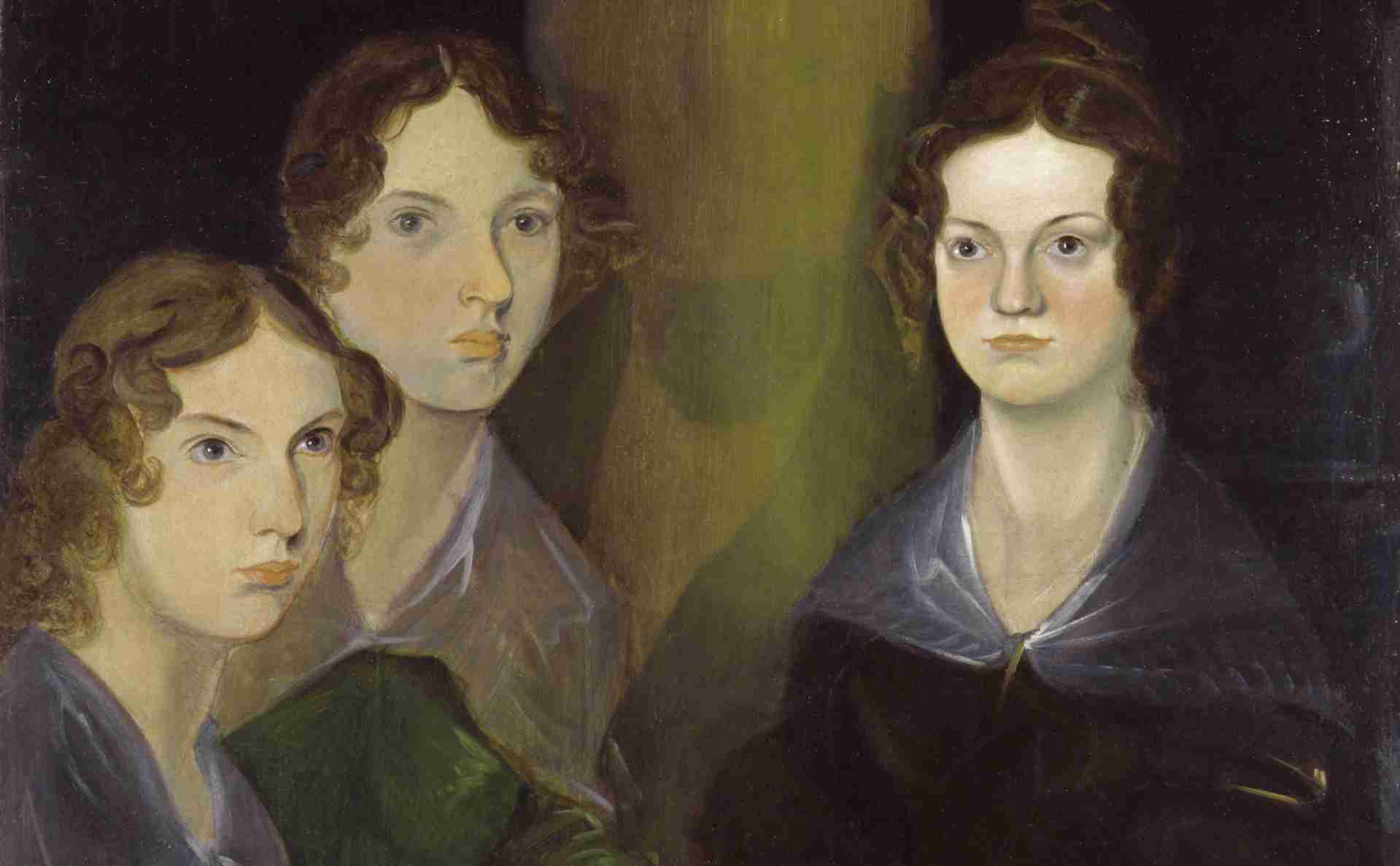
  • Brontë Parsonage Museum & Graveyard to see where the Rev. Patrick Brontë and his children Branwell, Charlotte, Emily and Anne lived and died. The rooms where they wrote their famous works are still filled with their furniture, clothes and possessions.
  • Haworth with its evocative cobbled streets and quirky vintage shops, including The Black Bull pub, frequented by Branwell Brontë.
  • Wycoller Hall, the romantic ruin which was the inspiration for "Ferndean Manor" of Jane Eyre
  • St Michael and All Angels Church, where all the Brontës except Anne are buried in the family vault.
  • The wild Pennine moors, the haunt of the Brontës from childhood and the dramatic backdrop to their literary lives.
  • Cowan Bridge, the location of the infamous Clergy Daughters' School, the inspiration for "Lowood School" in Charlotte Brontë's "Jane Eyre".
  • Ponden Hall, the inspiration for "Thrushcross Grange" in Emily Brontë's "Wuthering Heights".
  • The beautiful countryside of Lancashire and the Yorkshire Dales National Park, so very different from Cumbria's fells and lakes.

What's included

  • Full Day Tour
  • Admission to Brontë Parsonage Museum
  • Knowledgeable guide to provide expert commentary and analysis, as well as taking care of practicalities and general support throughout the day
  • Experienced driver for your safety on the steep, narrow and twisty country roads
  • Small group of up to 6 people for a more flexible and personalized experience
  • Use of personal radio communication technology to keep you in touch with your guide when you are off the minivan (where applicable)

Not included

  • Food and drink

Pickup points and times

  • OxenholmePickup about 09:22, back about 18:00
  • WindermerePickup about 09:00, back about 18:22

Itinerary

Stops may be visited in a different order depending on traffic, weather and opening times.

This tour takes you through three counties to the village of Haworth and the Parsonage where the Brontës lived with their father, set in the bleak moorland landscape of West Yorkshire.

We start the day with a scenic drive through Cumbria, past the market town of Kirkby Lonsdale and into the Yorkshire Dales National Park. Our first stop is at the village of Cowan Bridge to see the buildings which were once the Clergy Daughters' School attended by four Brontë sisters, Maria, Elizabeth, Charlotte and Emily. The poor conditions and harsh regime caused a scandal at the time and although the sisters were withdrawn from the school, it was too late for Maria and Elizabeth who died shortly after returning home. The school was the inspiration for "Lowood" in Charlotte's novel, Jane Eyre, and she never forgot the harsh treatment and unhealthy conditions that she and her sisters endured there.

Our drive continues amid beautiful scenery into the county of Lancashire. Following in the footsteps of Charlotte Brontë, our next stop is at the tiny village of Wycoller with its ruinous hall, the model for Ferndean Manor in Jane Eyre. The village is full of character and atmosphere with two ancient bridges and a ford crossing Wycoller Beck. Your guide will show you around the Gothically romantic ruined hall and explain the history of this sleepy little village.

As we move through the towns and villages, your guide will put the surrounding countryside and the impact of the Industrial Revolution on the area into context. We see one of the local mills, a survivor from the time of the Brontës, up close on the way to Ponden Hall. As our time is limited, we only have time to view the hall from the outside. It is famous for reputedly being the inspiration for Thrushcross Grange, the home of the Linton family, Edgar, Isabella, and Cathy, in Emily Brontë's novel Wuthering Heights. However, it does not match the description given in the novel and is closer in size and appearance to the farmhouse of Wuthering Heights itself. The Brontë biographer Winifred Gerin believed that Ponden Hall was the original of Wildfell Hall, the old mansion where Helen Graham, the protagonist of Anne Brontë's The Tenant of Wildfell Hall, fled from her husband. Ponden shares certain architectural details with Wildfell: latticed windows, a central portico and date plaque above. We will let you decide for yourselves which sister described it in her novel.

From here, our journey takes us across the brooding Pennine Moors, a bleak and beautiful place where the sisters would wander to escape the industrial fumes from the chimneys of nearby Keighley and the emotionally charged atmosphere of the Parsonage in Haworth. Although there is no evidence that the now ruined farmhouse on Top Withens was the inspiration for Heathcliff's dwelling, locals and the Brontë Society say Emily was most likely thinking of its moorland setting when she wrote about Wuthering Heights. Describing it, she wrote: "One may guess the power of the north wind blowing over the edge, by the excessive slant of a few stunted firs at the end of the house; and by a range of gaunt thorns all stretching their limbs one way, as if craving alms of the sun." Pretty strong stuff when you are out there on those actual moors in the wind and the rain! Although we can experience the moors from the road, we don't have time to walk very far before moving on to our next, fascinating destination, The Brontë Parsonage Museum.

Your entry to the Brontë Parsonage Museum is included in the tour.

You will be free to explore the Brontë Parsonage, where Charlotte, Emily, Anne and Branwell lived with their father Rev. Patrick Brontë. You will see where they sat and wrote, Wuthering Heights, Jane Eyre and The Tenant of Wildfell Hall and discover how they lived and what their lives were like in Industrial Yorkshire where death was on the doorstep and freedom was on the moors. You visit the Parsonage on your own and at your own pace, and your guide will meet you outside afterward, ready to answer any questions that you may have. You will also have the opportunity to visit the Parsonage Museum gift shop, where any books bought are eligible for the souvenir Parsonage stamp.

After your visit to the Parsonage, your guide will take you on a tour of the graveyard and the village where you will wander down the High Street of Haworth, hardly changed since the Brontës walked here 150 years ago. You will see the Black Bull Inn where Branwell drank himself to death and the apothecary where he bought laudanum, his other deadly addiction. Throughout the village, your guide will take you back in time to the places and people that the Brontës knew, walking in their footsteps to bring the place alive again. You will also visit the church to see the family vault where all but Anne are buried.

On this tour you can let your imagination run free, breathe the chill moorland air, gaze over the wild, dramatic landscape of "Wuthering Heights", "Jane Eyre" and "The Tenant of Wildfell Hall". Discover the freedoms and restrictions, the successes and failures, the loves and losses endured in the world of Victorian England, a place which fashioned the passionate, emotional and tragic lives of the world's most famous literary family.
Good to know before you go

Weather

The weather can change quickly. Please bring warm clothing and a waterproof coat with a hood in case of rain or windy weather.

Footwear

As there is some walking involved in the tour, some uphill and on uneven or wet terrain, please wear suitable, comfortable shoes.

Food and restrooms

Food, drink and restrooms are available at Haworth and Wycoller.

Gift shops

Gift shops at Haworth and Brontë Parsonage Museum.

Solo travelers

This tour is suitable for solo travelers.

Children

This tour is not suitable for children under the age of 7.

About the places you'll visit

Cowan Bridge

Cowan Bridge and the Clergy Daughters' School

Cowan Bridge was the site of the Clergy Daughters' School attended by Charlotte and Emily Brontë, the notable 19th-century writers, and their older sisters Maria and Elizabeth, who died after experiencing harsh privations at the school. There is a plaque commemorating this association on the former school building, which partially survives. The churchyard of St Peter's Church, Leck, has graves of several of the children who died at the school.

Charlotte described the abuses, the typhus epidemic in which seven pupils died, the scandal which followed, and subsequent reform of the school in Jane Eyre. The character of Helen Burns is based closely on Charlotte's sister Maria. The Reverend Brocklehurst is a portrait of William Carus Wilson, who managed the school in the Brontës' time. On publication of Jane Eyre, women readers who had attended the school confirmed Charlotte's account of the regime and conditions.

The Clergy Daughters' School still exists. It was moved to Casterton shortly after the scandal. In 1840 another typhus epidemic struck 70 of the pupils, claiming the lives of three. By 1857 Dorothea Beale was teaching there. It was apparent to her that while some of the physical circumstances had improved since Charlotte's time, the spiritual aspects had not changed. When the Life of Charlotte Brontë by Elizabeth Gaskell was published, Beale began to write her own unfavorable impressions of the religious education imposed at the school.

Wycoller

Wycoller Hall and village

The pretty hamlet of Wycoller lies 4 miles east of the town of Colne in Lancashire. This sleepy village now forms part of a beautiful country park. Wycoller is probably most famous for its Brontë connection. Today Wycoller Hall stands in ruins but this 16th century hall is believed to have been the inspiration for Ferndean Manor in Charlotte Brontë's novel, Jane Eyre. The Brontës lived at Haworth, not far from Wycoller, and Charlotte would have passed through here on her way to Gawthorpe Hall when she went to stay with the Kay-Shuttleworths. Wycoller Hall perfectly fits Charlotte's description of Ferndean Manor when approached from the old coach road.

Originally owned by the Hartley family, the hall was extended in the late 18th century by its last owner, Squire Cunliffe. A keen gambler, Cunliffe also borrowed money against Wycoller Hall to fund the building work. He died heavily in debt in 1818. After his death, stones from the Hall were plundered to build nearby houses and other structures. The hall subsequently fell into ruin.

Ponden Hall

Ponden Hall and Mill

In the early 19th century Ponden Hall held what was reputedly the largest private library in Yorkshire, having a particularly fine collection of books (a catalog still exists), including a Shakespeare First Folio. We know that Emily visited and read here and scholarly studies have been made of the catalog to discover what she might have read that could have influenced her work. It's highly likely that Anne, Charlotte and Branwell visited too, as the Heatons were one of the foremost families in the area. For generations they acted as Justices of the Peace and churchwardens at Haworth Church. In the 19th century the Heaton family were textile manufacturers, particularly wool. With the death of Robert in 1898, the last surviving Heaton male, the Hall was sold. The final Heaton male, George Smith Heaton, died penniless at the Bendigo Benevolent Asylum in Victoria, Australia, on February 12, 1901.

The hall saw regular visits from Brontë children as they and the Heaton children would regularly play together. In the back garden are the withered remains of a now-dead pear tree, supposedly the gift of a lovesick teenage Robert Heaton to an older, uninterested Emily Brontë. Linking the house with the mill was a long, tree-lined driveway, passing through the area now occupied by a reservoir.

Ponden Mill, at the bottom of the hill from the house, manufactured cloth used by the army for its uniforms. During the Napoleonic wars (1803-1815) the Heatons' fortunes continued to boom as a result, but later, cheaper imports of cloth from the Indian subcontinent meant they could no longer sustain the mill, and it was eventually sold off, beginning the Heatons' slide into relative poverty.

Pennine moors

The Pennine Moors

The Brontë sisters lived most of their short but dramatic literary lives in Haworth. In 1847, Charlotte published Jane Eyre, Anne published Agnes Grey and Emily published Wuthering Heights, but within eight years all three had died. The moors surrounding Haworth are synonymous with their lives and the literary works that they produced. Wuthering Heights in particular is full of the places and landscapes inspired by these bleak, brooding and desolate moors. "It is impossible to walk across the open moors for long without starting to feel the stir of wild imaginings, a longing to fill it with stories big and bold enough for the job, and to people it with characters strong enough to infuse its unforgiving acres with life."

Charlotte Brontë, talking about Wuthering Heights comments that the novel "is rustic all through. It is moorish and wild and knotty as a root of heath. Nor was it natural that it should be otherwise; the author being herself a native and nursling of the moors. . . . Ellis Bell did not describe as one who found pleasure in the prospect; her native hills were far more to her than a spectacle; they were what she lived in, and by, as much as the wild birds, their tenants, or as the heather, their produce. Her descriptions, then, of natural scenery, are what they should be, and all they should be."

Brontë Parsonage

The Brontë Parsonage Museum

The parsonage was built between 1778 and 1779. In 1820, Patrick Brontë was appointed perpetual curate of St Michael and All Angels' Church, Haworth, and arrived at the parsonage with his wife Maria and six children. It was to be their family home for the rest of their lives. Its moorland setting had a profound influence on the writing of Charlotte, Emily Jane and Anne. Patrick Brontë was a published author of poetry and fiction and his children grew up accustomed to the sight of books carrying their surname on the parsonage shelves.

On September 15, 1821, Maria Brontë died of cancer, and her unmarried sister, Elizabeth Branwell, came to run the household, exchanging her comfortable home in Penzance for the harsh climate of a bleak northern township. In 1824 the four oldest sisters left Haworth, to attend the Clergy Daughters' School at Cowan Bridge, near Kirkby Lonsdale. Maria was sent home ill and died at the parsonage in May 1825, aged eleven. Ten-year-old Elizabeth was returned home shortly after and died on June 15.

In 1846 Charlotte, Emily and Anne used part of their Aunt Branwell's legacy to finance the publication of their poems, concealing their true identities under the pseudonyms Currer, Ellis and Acton Bell. Poems was published by Aylott and Jones, but only two copies were sold. Charlotte's first attempt at writing a novel for publication, The Professor, was rejected by several publishing houses, before Smith, Elder & Co. declined to accept it but were encouraging enough for Charlotte to send them her next work, Jane Eyre. It was accepted and published on October 19, 1847. Wuthering Heights and Agnes Grey had been accepted by the London publisher, Thomas Cautley Newby and appeared as a three-volume set in December 1847. After Anne's second novel, The Tenant of Wildfell Hall, Charlotte and Anne were forced to reveal their true identities.

Their brother, Branwell, who had become dependent on alcohol and opium for solace, had developed tuberculosis and died suddenly on Sunday, September 24, 1848, aged 31. Emily was also dying from the disease, and never left the house after Branwell's funeral. She died aged 30 on December 19, 1848. Anne too had tuberculosis and was taken to Scarborough to try a sea cure but died four days after arriving on May 28, 1849, aged 29 years (Anne's gravestone mistakenly marks her age as 28 when she died).

Charlotte finished the novel Shirley, begun before Branwell's death. It was published in October 1849. Her last novel, Villette, was published in 1853. She married her father's curate Arthur Bell Nicholls in Haworth Church on June 29, 1854. She died on March 31, 1855, in the early stages of pregnancy, three weeks before her 39th birthday. Patrick Brontë lived at the parsonage for six more years, cared for by his son-in-law, and died there on June 7, 1861, at the age of 84.

After Patrick Brontë's death in 1861 the contents of the parsonage were auctioned. Friends and servants sold keepsakes and letters. In 1893 the chief librarian of Bradford Library held a meeting suggesting that relics, letters and documents relating to the Brontës should be collected and preserved for posterity. The Brontë Society was founded at a public meeting and a collection of Brontëana was started. By 1895 it was large enough to be displayed in a museum above the Yorkshire Penny Bank in Haworth. The society attracted 260 members, and about 10,000 visitors visited the museum in its first year.

Sir James Roberts bought Haworth Parsonage in 1928 for £3,000. He equipped it as a museum and gave it to the Brontë Society. Henry Bonnell of Philadelphia bequeathed his collection to the society in 1926 and it was transferred to the parsonage when it opened, making it accessible to Brontë scholars. The collection has grown and been supplemented by loan materials. The society has about 2,000 members. The mahogany desk at which Charlotte wrote her novels, which had been in private collections for more than a century, was donated to the museum in 2011 by a donor who purchased it anonymously for £20,000 in 2009.

Haworth

Haworth village

Haworth is the epitome of Emily Brontë's legendary Wuthering Heights. There's an enchanting mystique to the wild and rugged moors that surround this beautiful village - you can practically hear the echoes of Catherine and Heathcliff around every cobbled and heather-strewn corner. Prepare to fall in love with Haworth and its living, breathing past.

Haworth's heart is its stunning Main Street. In summer it's a buzzing hive of activity with shops, crafts and tea rooms, and magnificent moorland views that compel visitors to pause for a photo opportunity practically every other step. During the winter months, wonderful rolling mists cloak the landscape making it easy to lose yourself in your own imagination: have you really just stepped straight into a Brontë novel?

You might also like

If you love exploring literary England, our All Creatures Great & Small Full-Day Tour also ventures into the Yorkshire countryside to visit the real-world filming locations of the beloved PBS Masterpiece series. For a more personal Brontë experience, our Private Brontë Tour runs the same itinerary exclusively for your group. Closer to the Lake District, our Wordsworth Afternoon Tour and Wordsworth Morning Tour explore the landscapes that inspired England’s greatest Romantic poet. Visiting from the US? Our American Visitors Guide covers everything you need to know before you travel.

Book Now ▸